Sunroom builders Cape Cod, MA homeowners hire most often aren't the ones with the flashiest brochure, they're the ones who understand salt air, wind-driven rain, and the Cape's patchwork of local permitting rules. A sunroom done right adds light, square footage, and resale value. Get it wrong on this coastline and you're re-glazing a foggy, drafty room in five years instead of twenty.
Sunroom Styles & Types: Three-Season vs. Four-Season Rooms
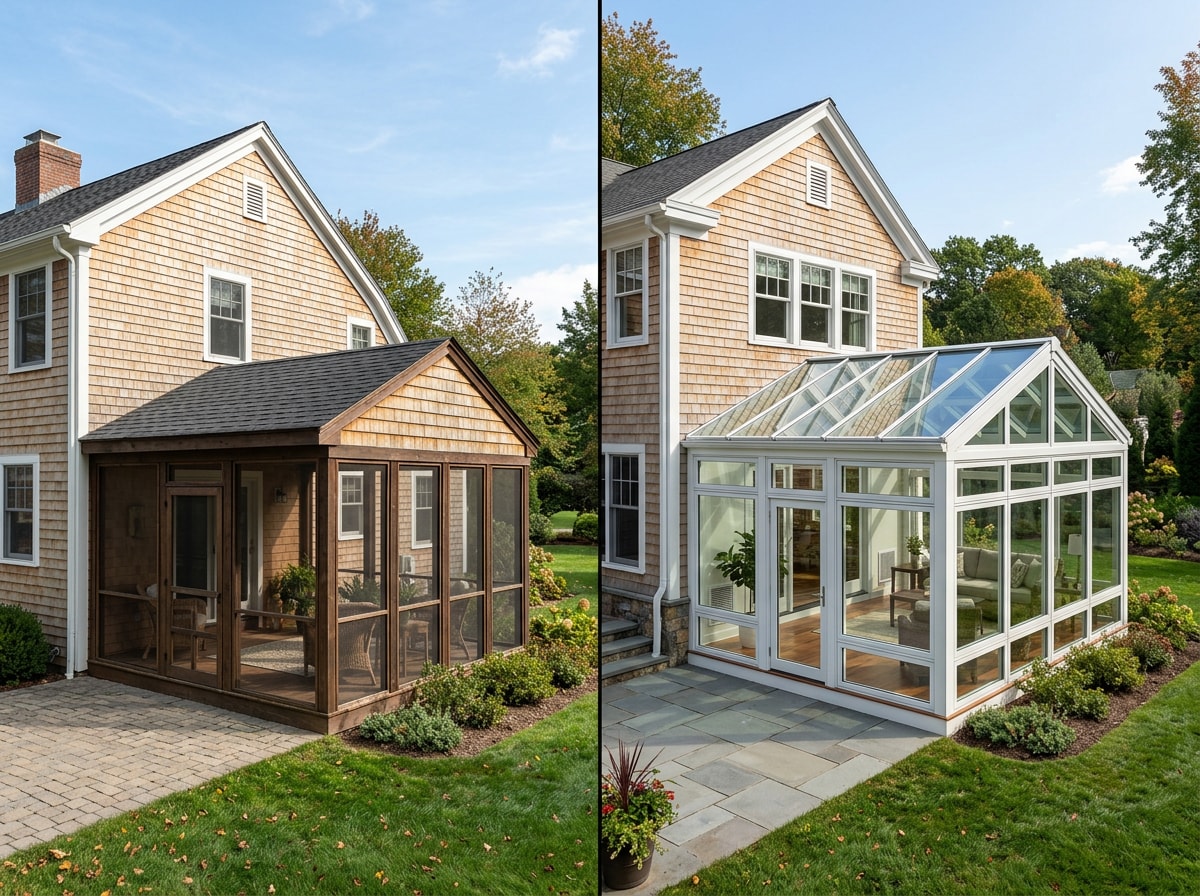
A three-season sunroom uses lighter framing and simpler glazing for comfortable use from spring through early fall. A four-season sunroom adds full insulation, upgraded glass, and often HVAC integration so it stays livable through a Cape Cod winter. The right choice depends on your budget and how you actually plan to use the space, a weekend reading nook has very different requirements than a year-round family room.
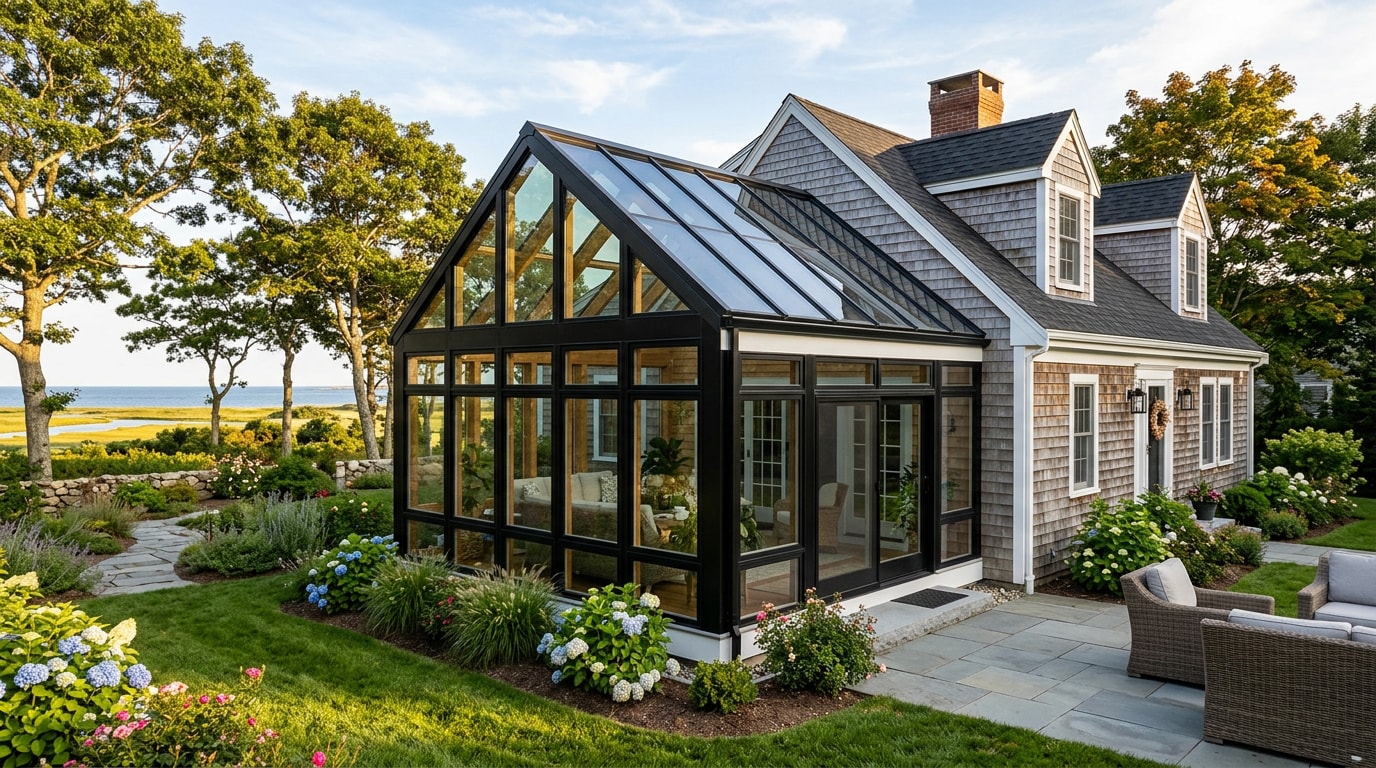
Beyond insulation, roof and glass choices shape how the room looks and performs. Glass roofs maximize natural light for stargazing and plant rooms, while solid roofs offer more shade and privacy on tighter lots. Custom sizing lets the addition match your home's existing roofline, which matters in Cape Cod's historic districts and tighter village lots. Browse our completed sunroom and addition projects to see how these choices play out on real Cape Cod homes.
| Feature | Three-Season Room | Four-Season Sunroom |
|---|---|---|
| Insulation | Minimal | Full wall and roof insulation |
| Typical glazing | Single or dual-pane | Dual- or triple-pane, Low-E |
| Usable seasons on Cape Cod | Spring through early fall | Year-round |
| Rough cost band | Lower | Higher |
| Permit complexity | Moderate | Higher (conditioned space) |
What a Sunroom Costs on Cape Cod, MA in 2026
Sunroom pricing on Cape Cod tends to run toward the higher end of national ranges. Wind-load framing requirements, a short building season, and tight summer labor availability all push costs up compared to inland Massachusetts projects.
| Sunroom Type | Typical Total Cost | Cost Per Sq. Ft. |
|---|---|---|
| Three-season room | $20,000 to $50,000 | $130 to $280 |
| Four-season sunroom | $45,000 to $90,000+ | $250 to $500 |
A few factors move these numbers more than anything else:
- Foundation type - a new frost-depth footing and slab costs more than building on an existing deck or patio.
- Glazing package - triple-pane Low-E glass adds cost but cuts heating bills dramatically in a four-season room.
- HVAC integration - tying into existing ductwork is cheaper than adding a dedicated mini-split system.
- Size and roofline - matching a complex existing roof pitch adds labor hours a simple shed roof addition won't.
These are planning ranges, not a quote. Request a free estimate and we'll walk your property and give you a number based on your actual lot, roofline, and glazing choice.
Coastal Construction: Why Salt Air and Wind Change the Build
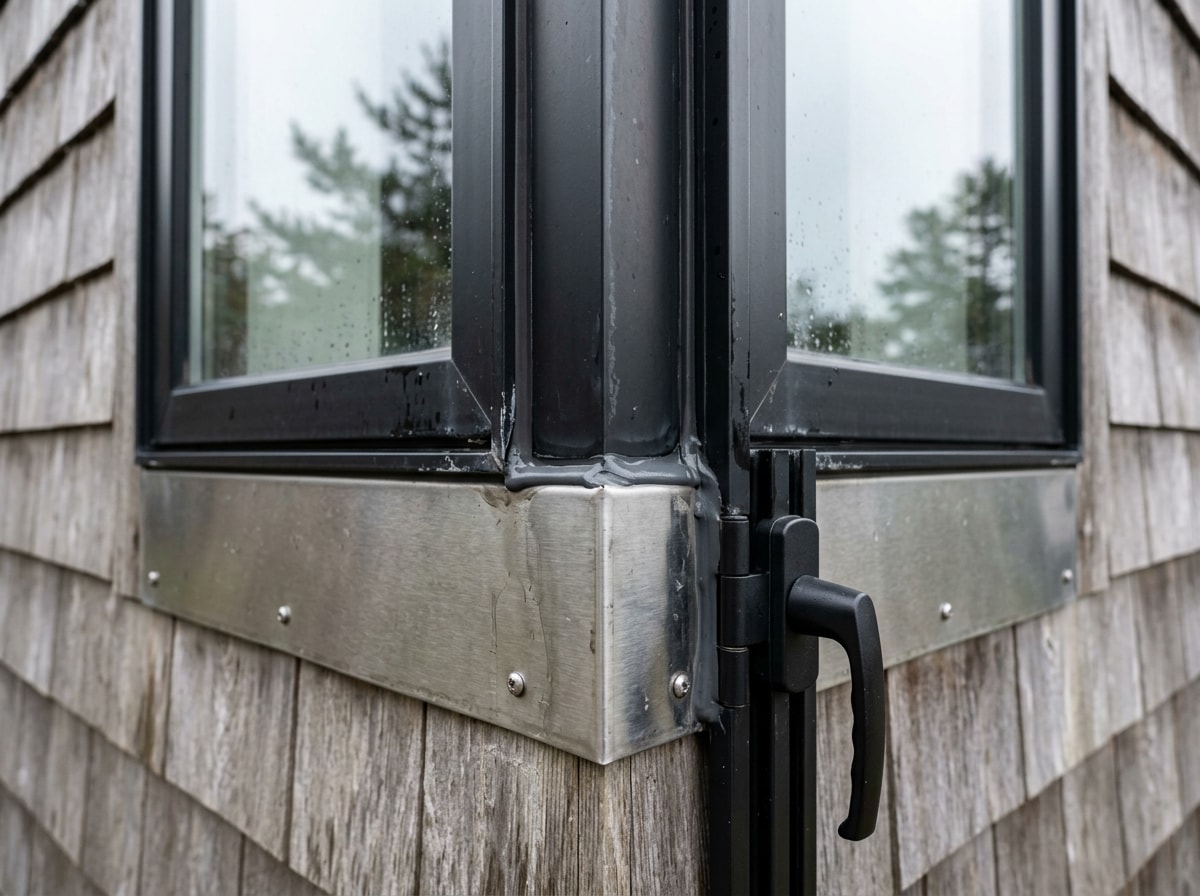
Coastal exposure matters more here than it does ten miles inland. Salt-laden air corrodes cheap hardware fast, and wind-driven rain tests every seal and flashing detail. A Massachusetts coastal hazards handbook developed with FEMA and the state's coastal zone management office makes the same point for the whole structure, not just sunrooms: protecting the wind- and rain-resistant envelope of a house is critical, since storm winds attack any weakness in the roof . On a sunroom, that means hardware, flashing, and fastener quality aren't optional upgrades, they're the difference between a room that lasts and one that needs rework in a handful of seasons.
We've pulled failed aluminum slider hardware off six-year-old sunrooms on the Cape where the original build used standard interior-grade fasteners instead of marine-grade stainless. The glass was fine. The track hardware had already corroded through.
Glazing choice also affects comfort and energy bills more on the Cape than inland. ENERGY STAR qualified windows feature double or even triple panes of glass with inert gases such as argon between them, along with special low-emissivity coatings that reflect heat energy either into or out of the house . For a four-season room facing southeast toward the water, that coating is the difference between a sunroom you can sit in on a January afternoon and one you can't.
Permits and the Sunroom Addition Process in Massachusetts
Most sunroom projects move through three phases, and skipping steps on any of them is how projects stall mid-build.
- Design - layout, glazing choice, roofline tie-in, and budget get locked in before anything is submitted to the town.
- Permitting - your builder files for a building permit and, on many Cape Cod lots, coordinates with the local conservation commission if the addition sits near wetlands, dunes, or a flood zone buffer.
- Construction - foundation tie-in, framing, flashing, moisture barriers, and staged inspections before the town signs off on occupancy.
Massachusetts updated its statewide building code in 2024, and the change is still working through town permit offices. The tenth edition building code first became effective on October 11, 2024, with a concurrency period during which either the ninth or tenth edition could be used, a transition that ended June 30, 2025, when the tenth edition became the only code in effect . If a contractor quotes your sunroom against the old ninth edition, that's a red flag worth asking about directly.
Cape Cod towns frequently layer zoning setbacks, lot coverage limits, and conservation review on top of the state baseline, especially for lots near Nantucket Sound, Cape Cod Bay, or inland ponds. Budget extra time for this step rather than assuming a permit is a formality.
Why Hire Licensed, Local Sunroom Builders
Sunroom construction involves structural tie-ins, glazing, and moisture control that go beyond a weekend DIY skill set. A few things worth confirming before you sign a contract:
- Workmanship warranty. A workmanship warranty covers labor and installation quality, separate from the manufacturer's material warranty on glass or framing. Ask about both, and ask what voids each one.
- Manufacturer certification. A certification such as Andersen's contractor program generally means a company met specific training and service requirements.
To become certified, a contractor must be in business three or more years, verify annual sales and install volume, maintain an online presence and local reputation, attend in-person installation training, and pass a background check with insurance verification . That vetting is one reason a certified installer's warranty tends to hold up better if something goes wrong later.
- Coastal experience, specifically. A contractor with genuine South Shore and Cape Cod experience knows which hardware grades hold up to salt air and which ones corrode within a few seasons, because they've seen the failures firsthand.
Our team at Javelyn Built has built and repaired exterior additions across Cape Cod and the South Shore long enough to know which shortcuts show up as callbacks two winters later.
Sunroom Restoration: When to Re-Glaze vs. Rebuild
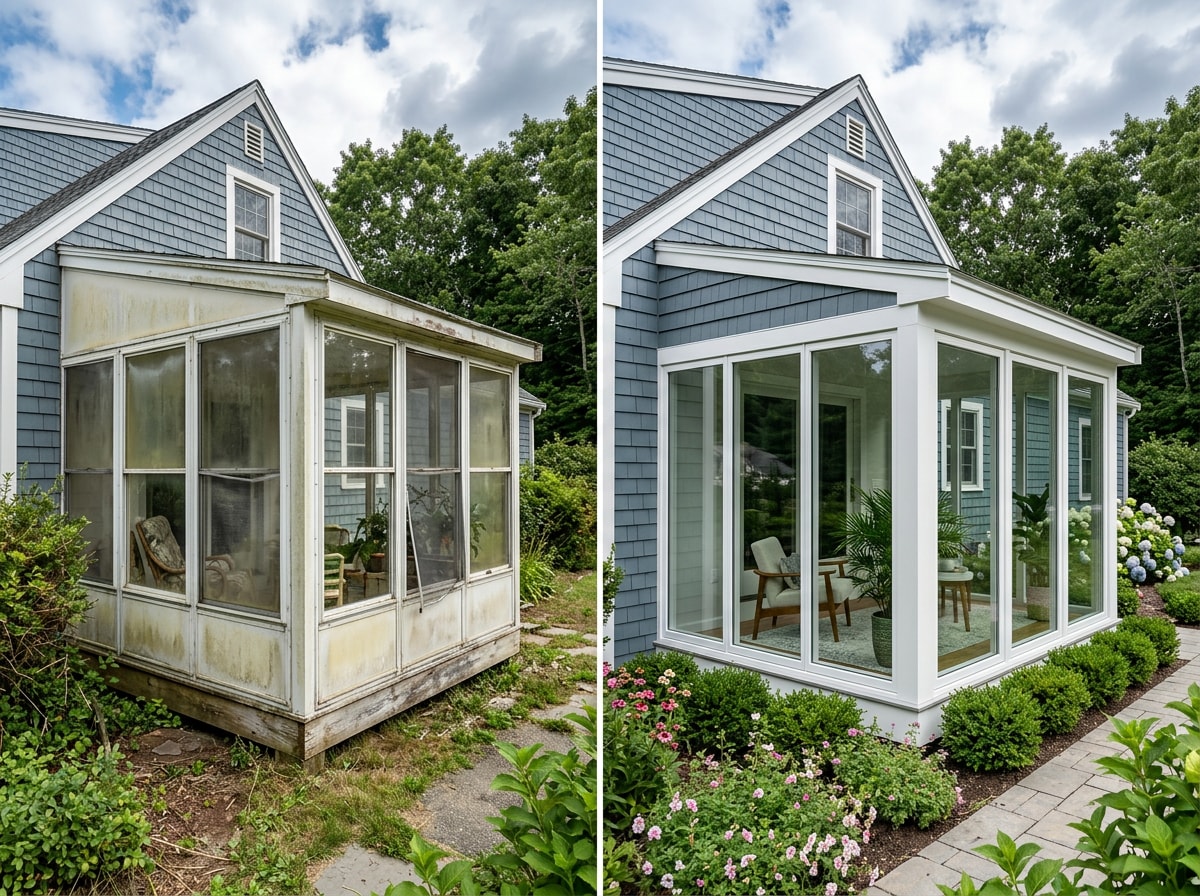
Older vinyl sunrooms on the Cape sometimes show their age through foggy glass, drafty seams, or sagging frames after years of coastal weather. Re-glazing with energy-efficient double- or triple-pane glass often costs less than a full rebuild and solves most comfort complaints. Full replacement only makes sense once the frame itself has failed structurally, not just the glass seals.
Beyond Sunrooms: Related Cape Cod Home Improvement Services
A sunroom addition rarely stands alone. Most projects also touch the roofline, the siding tie-in, or the doors connecting the new room to the house. If you're weighing a specialty sunroom company against a full-service contractor, a single point of contact for all of it tends to simplify the job.
Related services worth a look while you're planning:
- Patio door installation for the transition between your home and the new sunroom
- Siding contractor services for matching exterior cladding where the addition meets the existing wall
- Roofing contractor services when the sunroom roofline ties into an existing roof section
If you're earlier in the planning process and comparing a sunroom against a full room addition, our sunroom extension guide for Scituate homeowners breaks down costs and permitting for a neighboring South Shore market in more detail.
Ready to see numbers specific to your lot? Get a free estimate and we'll walk the site with you before you commit to a design.
FAQ
How much does a sunroom cost on Cape Cod?
Expect roughly $20,000 to $50,000 for a three-season room and $45,000 to $90,000 or more for a four-season sunroom, with wind-load requirements and seasonal labor demand pushing Cape Cod jobs toward the higher end of those ranges. Exact pricing depends on size, foundation type, and glazing package.
Do I need a permit to build a sunroom in Massachusetts?
Yes, in nearly all cases. Conditioned four-season sunrooms almost always require a building permit, and many three-season enclosures do too, depending on the town. Cape Cod towns frequently add zoning, setback, or conservation-commission review on top of the state's baseline requirement, particularly near wetlands or flood zones.
What's the difference between a three-season and four-season sunroom?
A three-season room skips heavy insulation and HVAC, limiting comfortable use to warmer months. A four-season sunroom adds both, keeping it comfortable through Cape Cod winters as genuine year-round living space.
Does a sunroom add value to your home?
Sunroom return on investment varies by type and tends to sit in the middle tier compared to other remodeling projects, below a kitchen or bath remodel but above most pure lifestyle upgrades. Four-season sunrooms generally return more at resale than three-season rooms because appraisers are more likely to count them as livable square footage. Quality construction and how well the room integrates with the existing home matter more than size alone.
How long does it take to build a sunroom on Cape Cod?
A straightforward three-season room on an existing deck can take four to six weeks once permits are in hand. A four-season sunroom with a new foundation, insulation, and HVAC typically runs eight to twelve weeks. Permitting adds its own timeline on top of construction, often two to six weeks depending on the town and whether conservation review is required.
Can a Cape Cod sunroom be heated for winter use?
Yes, but only a four-season sunroom is built for it. That means insulated walls and floor, upgraded Low-E glazing, and a heating and cooling source tied into the home's system or a dedicated mini-split. A three-season room without that insulation package will feel the cold no matter what heater you add.
Information on contractor licensing, coastal construction standards, and building code updates referenced in this guide reflects publicly available Massachusetts state and federal resources as of publication. For project-specific guidance, contact Javelyn Built directly.