Hiring commercial renovation contractors in Cohasset, MA means managing two layers of approval most business owners don't see coming until it's too late: the standard building permit and, in much of downtown, the Cohasset Common Historic District Commission. Get that sequencing wrong and a six-week storefront refresh turns into a six-month standoff with the town. Here's what a qualified contractor actually manages, what drives cost, and the Cohasset-specific rules that catch outsiders off guard.
What Counts as Commercial Renovation in Cohasset
Commercial renovation is the process of updating, repairing, or reconfiguring an existing commercial building rather than building from scratch. It ranges from a cosmetic refresh, like new flooring or paint, to a full gut renovation that reworks plumbing, electrical, and structural systems.
Renovating an existing structure is usually faster and less expensive than new construction, since reusing the foundation, structure, and utilities cuts both material costs and permitting time.
Why business owners choose renovation over rebuilding:
- Functionality — Better traffic flow, tenant accessibility, and layout efficiency. Updated restrooms, entrances, and common areas make a building safer to use day to day.
- Speed and cost — Reusing existing systems avoids the longer timeline and higher price tag of ground-up construction.
- Property value — Updated finishes and systems help a building compete for tenants without the cost of new construction.
Cohasset Permitting Rules Most Guides Skip
This is the part generic renovation content gets wrong for Cohasset specifically, and it's worth understanding before you get a quote.
Pre-permitting meetings are mandatory for commercial work. Beginning July 1, 2021, the Town of Cohasset is requiring all applicants for new homes and new construction, commercial construction projects or projects which will require permits from multiple boards to have a pre-permitting meeting with the Building & Inspections Department to discuss the scope of the project and sequencing of the permitting board applications and public hearings . Skip this step and your contractor finds out about a zoning conflict after demolition starts, not before.
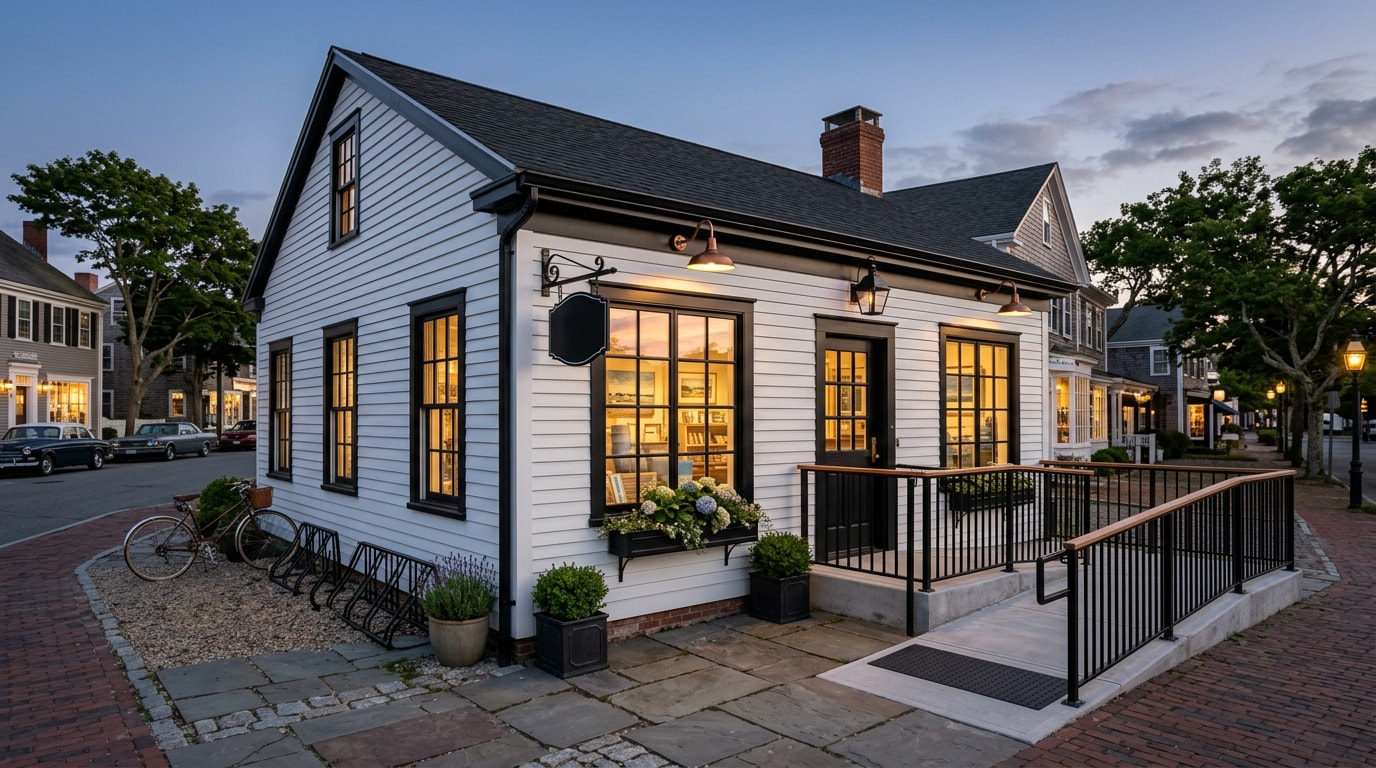
The Historic District Commission has its own approval process. In the Cohasset Common Historical District, an applicant may need additional approvals from the Cohasset Common Historic District Commission before the building department will even issue a permit for exterior work. If your storefront or facade sits in that district, your contractor needs to build commission review time into the schedule, not treat it as a surprise delay.
Many Cohasset properties still run on septic, not municipal sewer. The Board of Health has records available for many of the properties in the Town of Cohasset who are still connected to septic systems, including as-built plans and past Title 5 inspection reports . A restaurant renovation or any project adding plumbing fixtures should confirm system capacity early. Our septic system inspection team checks this before design work locks in, so you're not redesigning a kitchen layout around a tank that can't handle it.
What a Commercial General Contractor Should Handle
A qualified general contractor manages the full project lifecycle, not just the swinging hammers. That includes:
- Pre-construction planning and budgeting
- Permitting coordination, including historic district and board of health sign-offs where required
- Subcontractor scheduling across trades
- Site supervision and daily safety oversight
- Closeout, punch list, and final inspection
Strong commercial construction management keeps budgets and timelines on track from the first walkthrough through final inspection. View recent projects to see the scope of work we manage end to end for South Shore businesses.
Tenant Fit-Out and Occupied-Space Renovation
Tenant fit-out work covers office build-outs, retail renovation, and restaurant renovation, each with a different disruption profile.
- Office build-out — Often runs a few weeks with low disruption since spaces are usually vacant during work.
- Retail renovation — A Cohasset storefront staying open during a facade and interior refresh often needs phased construction, with crews working nights or off-hours to avoid turning away customers.
- Restaurant renovation — Typically falls in between, usually requiring temporary kitchen shutdowns coordinated around health department permits.
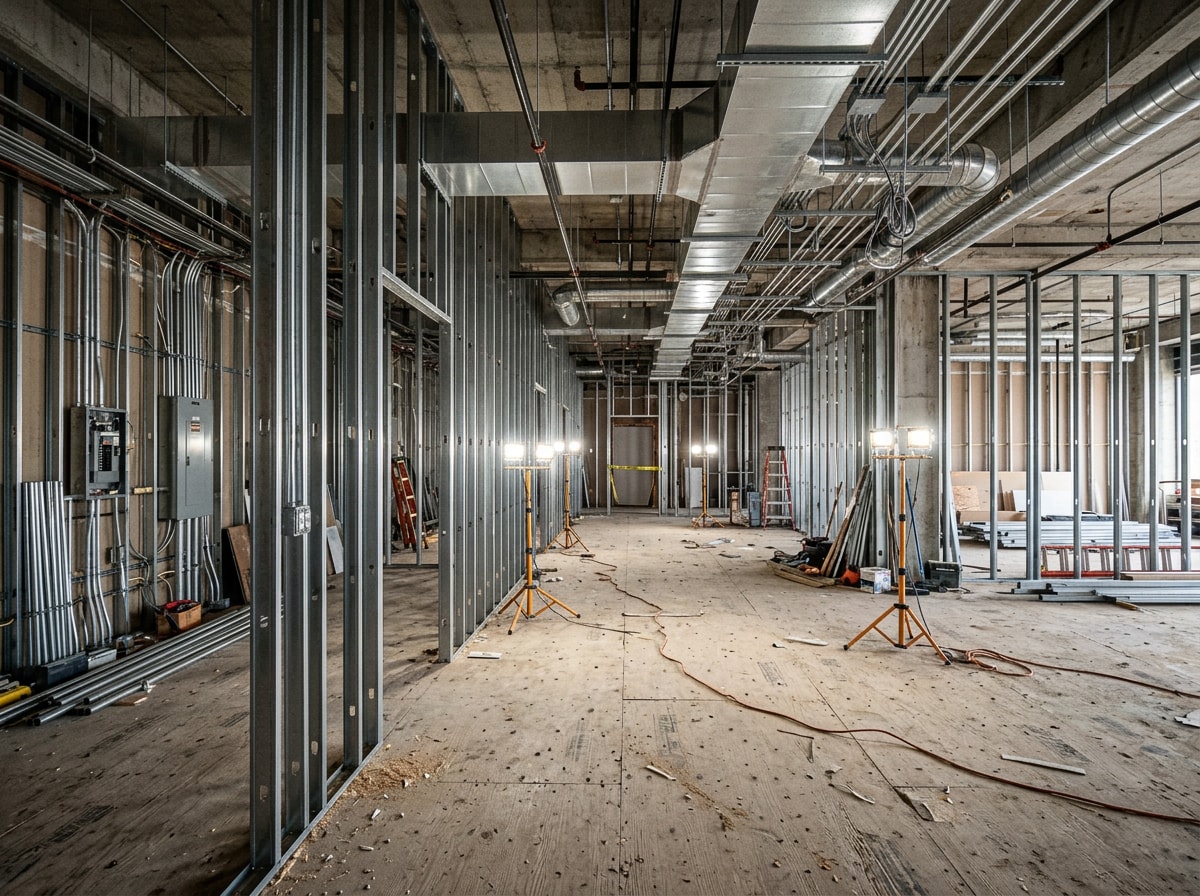
Any occupied-facility work also has to respect federal accessibility rules. Commercial facilities, such as office buildings, factories, warehouses, or other facilities that do not provide goods or services directly to the public, are only subject to the ADA's requirements for new construction and alterations , while retail and restaurant spaces open to the public face a stricter standard. The ADA requires that businesses remove architectural barriers in existing facilities when it is "readily achievable," meaning easily accomplishable without much difficulty or expense . A contractor who doesn't flag this before design work starts leaves you exposed to a change order mid-project.
Sectors We Serve as General Contractor
Commercial sectors we support include retail construction, office renovation, mixed-use buildings, and institutional spaces, each with its own code and scheduling needs. Building repositioning, meaning major upgrades to an aging property to attract new tenants, often requires the same phased construction approach as an occupied retail renovation so operations continue uninterrupted.
The Stages of a Commercial Remodel
A typical renovation moves through the same sequence regardless of size:
- Planning and design
- Bidding and contractor selection
- Permitting, including any historic district or board of health review
- Material procurement
- Demolition
- Structural and build-out work
- Finishing touches and clean-up
- Project closure and final inspection
Each stage affects the overall timeline, so clear scheduling upfront matters more than the headline construction speed.
Common Pitfalls (and How to Avoid Them)
Missed building code compliance, permit delays, and weak communication cause most renovation headaches. Massachusetts moved to a new building code cycle recently, and it matters which edition your contractor is pulling permits under: the tenth edition became first effective on October 11, 2024, with a concurrency period during which either the ninth or tenth edition could be used, extended until the tenth edition became the only code in effect . A contractor still quoting under the old edition is a red flag.
Occupied-space projects also carry jobsite safety obligations that don't disappear just because the building is "just getting a facelift." OSHA provides links to construction standards, agency policies for enforcing those standards, and other information to assist the construction industry , and a contractor should build that compliance into daily site planning, not treat it as an afterthought once an inspector shows up.
Why Cohasset Businesses Choose Javelyn Built
Look for a single point of accountability, disciplined cost and schedule tracking, sector-specific experience, and consistent communication. Those traits separate a trusted commercial contractor from a subcontractor juggling too many jobs at once.
At Javelyn Built, we coordinate directly with the Cohasset Building Department and, where applicable, the Historic District Commission on every commercial permit, because missing that sequencing is the single most common cause of project delay we see on the South Shore. We're licensed and insured, and we pair general contracting with in-house roofing, siding, and door-shop crews, so a storefront renovation doesn't need five separate vendors for the envelope alone. Browse our roofing contractor and siding contractor services, or see how we handle exterior door installation for storefront entries that need to stay ADA-compliant after an alteration.
If your renovation is part of a larger build-out, our guide on commercial general contracting on Cape Cod covers how we scope and sequence larger commercial jobs.
Ready to talk specifics? Get a free estimate and we'll walk the site with you before you commit to a scope.
Commercial Construction Service Area
We serve Cohasset, MA and the surrounding South Shore, with working familiarity across local permitting departments. We also work regularly in Hingham, Scituate, Norwell, Duxbury, Marshfield, Kingston, and out to Cape Cod.
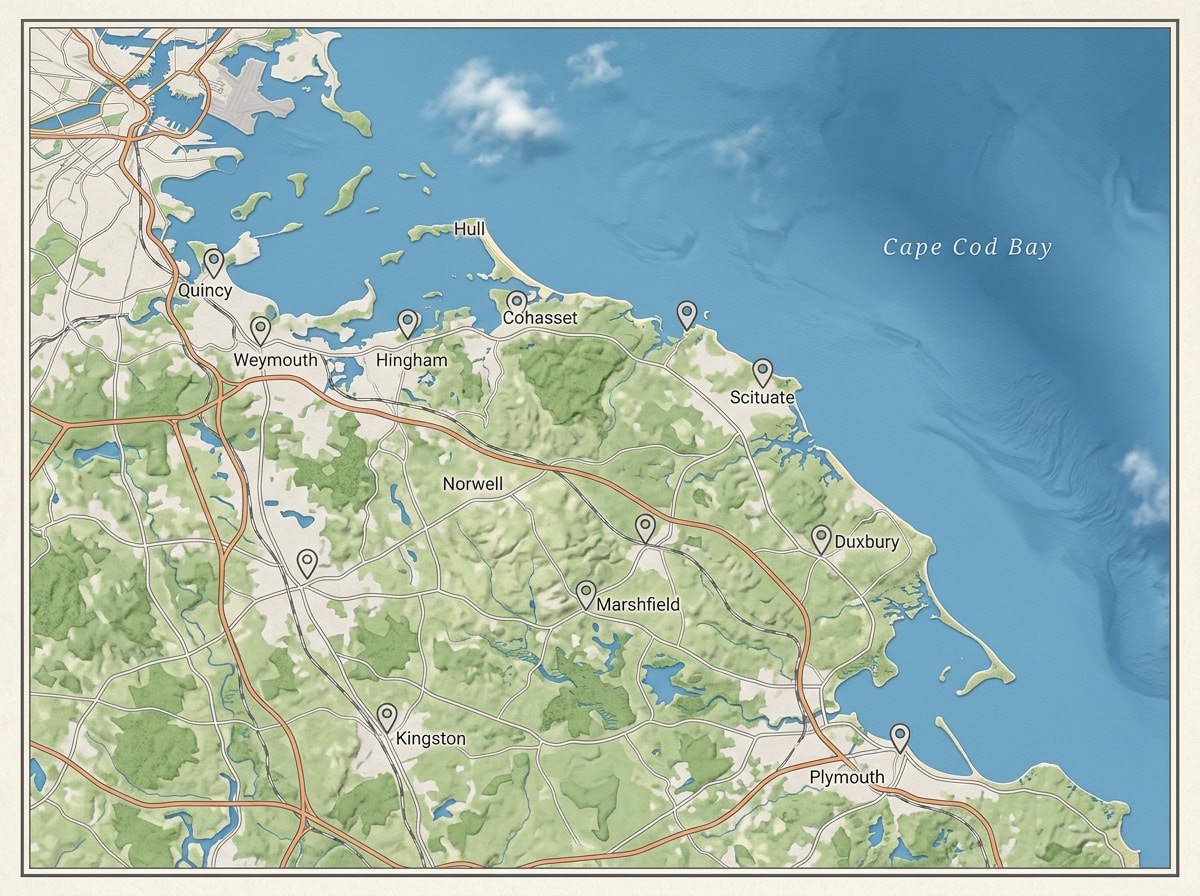
See our full Cohasset, MA service area page for town-specific project examples.
FAQ
What is commercial renovation?
Commercial renovation is updating or reconfiguring an existing business property's layout, systems, or finishes. It's distinct from new construction because it works around an existing structure, foundation, and utilities.
Do I need a permit for a commercial renovation in Massachusetts?
Most commercial alteration work requires a permit under the Massachusetts State Building Code, 780 CMR. In Cohasset, commercial projects also require a pre-permitting meeting with the Building & Inspections Department before applications go to the various permitting boards.
Does my building need Historic District Commission approval?
If your property sits within the Cohasset Common Historic District, exterior alterations typically need commission review in addition to a standard building permit. Confirm this with your contractor before finalizing a design, since it affects both timeline and material choices.
Can my business stay open during a commercial renovation?
Often, yes. Office build-outs are usually done in vacant space, but occupied retail and restaurant renovations typically run on a phased schedule, with noisy or disruptive work shifted to nights or off-hours to keep the business operating.
How long does a commercial renovation take?
A basic office refresh may take a few weeks, while larger build-outs can run several months. Permitting, historic district review, and phased occupied-space work all extend the schedule beyond the construction time alone.
What's the difference between a commercial renovation and a tenant improvement?
A tenant improvement, or fit-out, customizes one space for a specific tenant. A renovation can involve broader, building-wide changes affecting multiple tenants or systems, including the roof, envelope, or shared mechanical systems.
Why do some Cohasset commercial projects need septic work before renovation?
Not all of Cohasset is on municipal sewer. Many properties remain on septic systems, so adding plumbing fixtures, a commercial kitchen, or additional bathrooms can require a septic system inspection or upgrade before interior work starts.