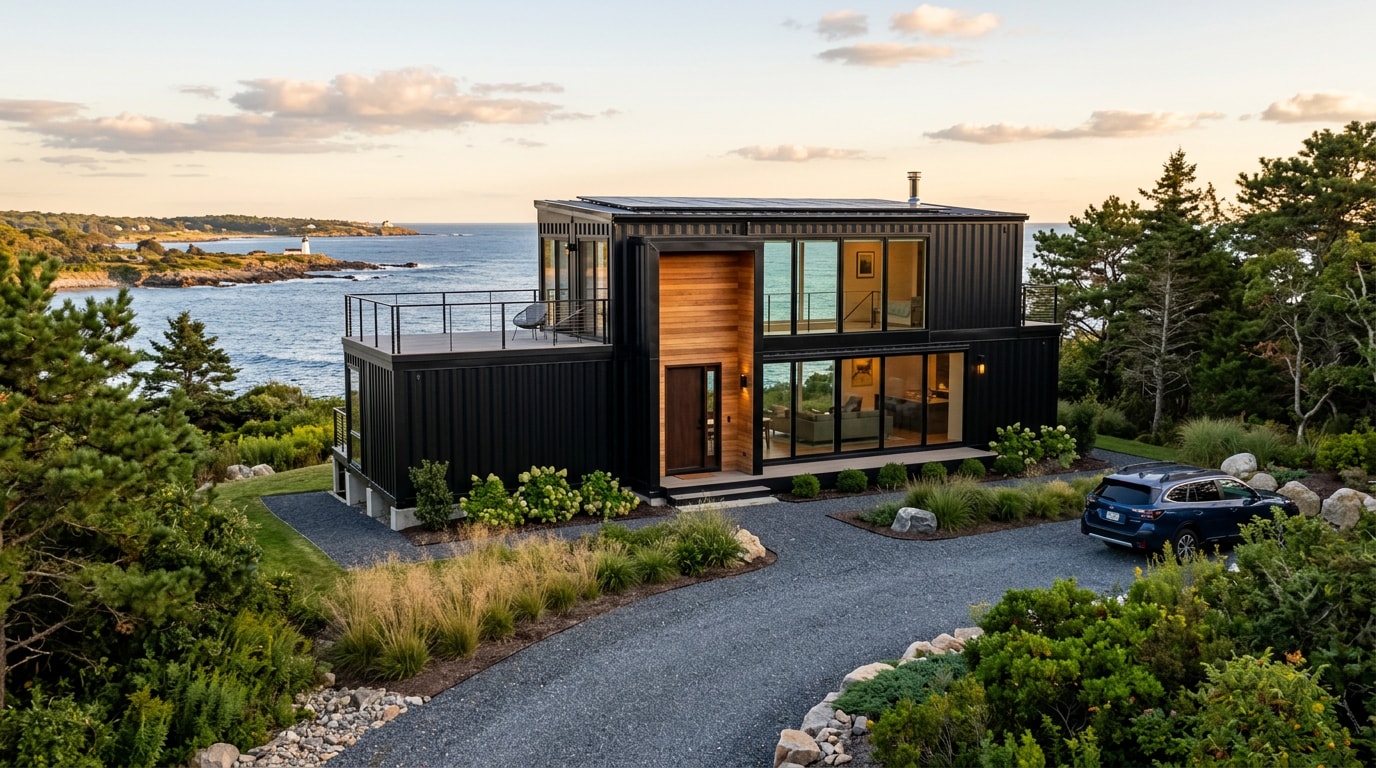
Shipping container home builders in Cohasset, MA work under tighter rules than most inland Massachusetts towns: smaller coastal lots, flood-elevation requirements, and a building department that still treats steel-box construction as the exception, not the norm. This guide covers 2026 pricing, the credentials a true container-home specialist needs before you sign anything, and the zoning, financing, and insurance steps unique to a South Shore build. Get these answers before you buy land, because fixing a permitting mistake on a container project costs far more than the extra week it takes to ask the right questions first.
Cost of Building a Shipping Container Home in Massachusetts
Shipping container homes in Massachusetts typically run $150 to $250 per square foot for a finished, livable structure. The final number depends on container count, insulation package, and finish level.
That range often lands close to, and sometimes above, traditional stick-built costs in the state. It's the part that surprises most buyers.
The gap narrows because container homes still need foundations, structural modification, spray foam insulation for New England winters, plumbing, electrical, and interior finishes. The raw container itself is a small slice of the budget. An unmodified box might cost $3,000 to $6,000, but turning it into a code-compliant home adds most of the real expense.
| Build Type | Cost per Sq. Ft. (2026) |
|---|---|
| Shipping container home (finished) | $150–$250 |
| Traditional stick-built (MA average) | $175–$275 |
| High-end custom container home | $275–$400+ |
Custom container home cost climbs quickly with multi-container stacking, large glass openings, or off-grid systems, all popular requests among buyers chasing a modern coastal look. If you want exact numbers for your lot rather than a range, get a free estimate from our team before you finalize a budget.
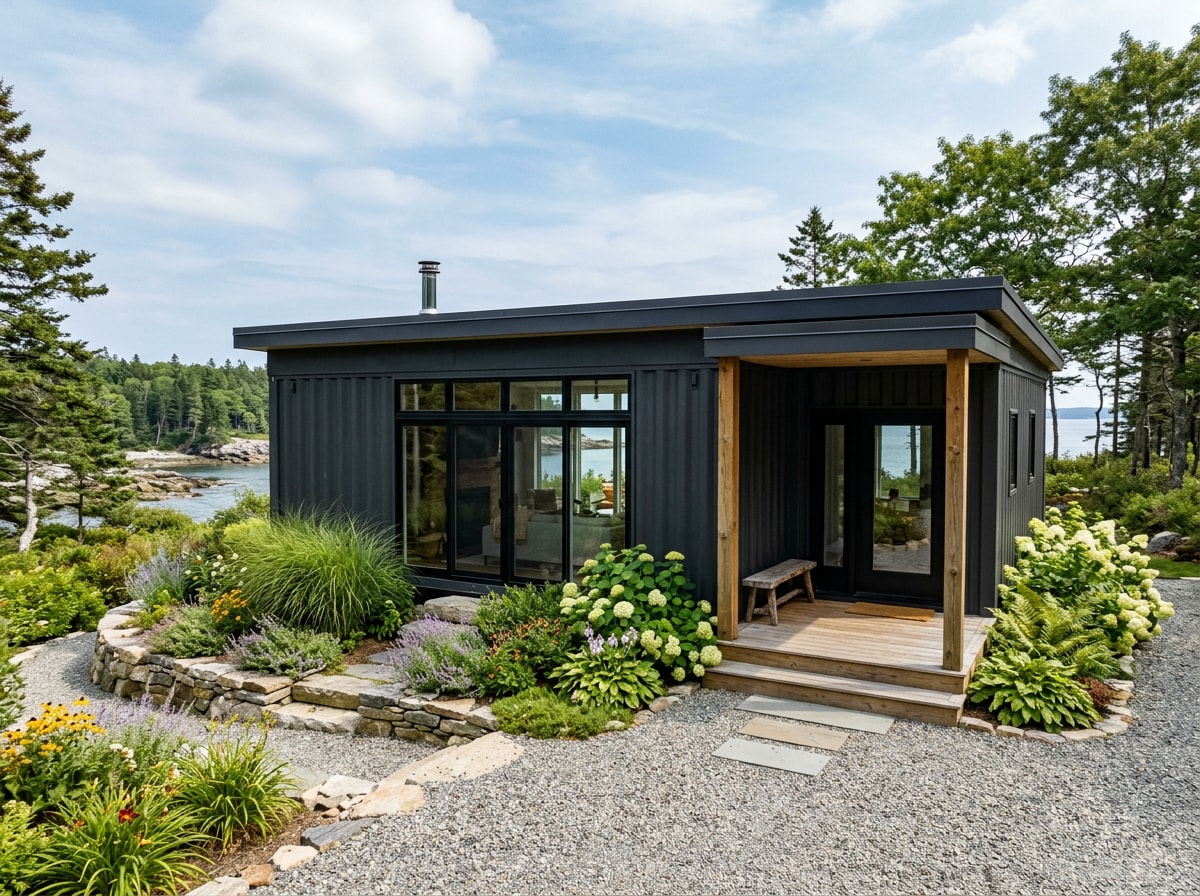
Shipping Container Home Builders in Cohasset, MA
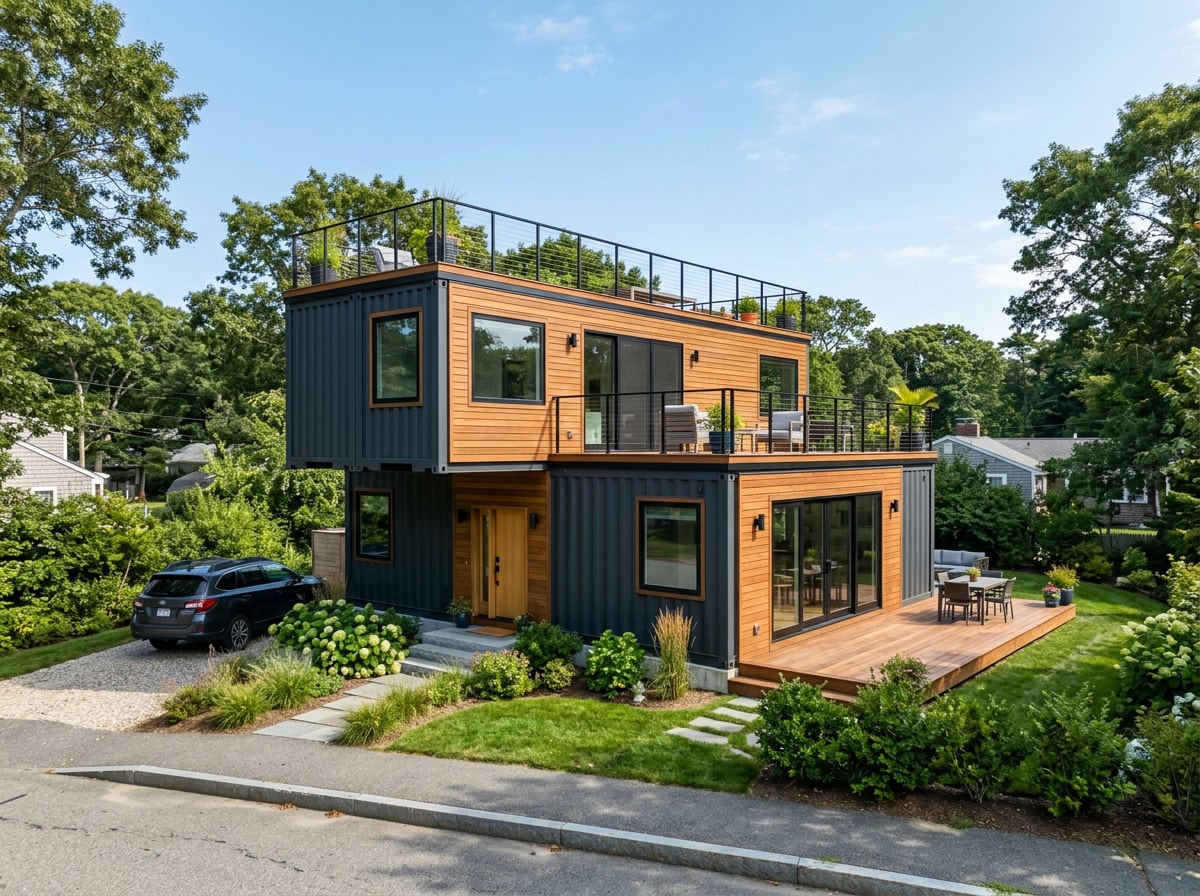
Massachusetts has relatively few builders who specialize in container construction. Most contractors still work primarily in wood framing and treat container projects as a rare exception.
That gap matters on the South Shore. Coastal wind loads, flood elevation requirements, and neighborhood character in towns like Cohasset demand real container-specific experience, not just general carpentry skill.
A true South Shore container builder brings structural engineering familiarity, local permitting relationships, and weatherproofing know-how that a national prefab company shipping a unit cross-country can't easily replicate on-site. You can see examples of completed local work, including additions and custom builds across the region, in our project gallery, and learn more about our team on the Javelyn Built homepage.
What Should I Look for When Choosing a Builder for My Container Home?
Look for a contractor with documented structural engineering experience, a visible portfolio of completed container builds, and direct familiarity with Massachusetts permitting. These three factors matter more than price alone for a long-term, code-compliant home.
Container-specific structural engineering matters because cutting openings into corten steel walls changes load paths in ways a standard framing contractor may not anticipate. Ask for a portfolio you can review in detail, ideally with photos and floor plans from finished projects.
Also confirm the builder has pulled container home permits in Massachusetts before. In every local permit review we've walked through on the South Shore, the projects that stalled were the ones where the contractor hadn't priced container-specific engineering into the bid upfront. A first-timer navigating this process on your project adds risk and delay you don't need.
Zoning, Permitting, and Site Selection in Cohasset, MA
Coastal South Shore towns like Cohasset present a different siting challenge than rural or western Massachusetts. Lots tend to be smaller and pricier, flood elevation and setback rules are stricter, and neighbors may have opinions about how a modern steel structure fits into a historic coastal streetscape.
Finding Your Community: Zoning Compliance
Zoning for container homes in Massachusetts is set town by town, so an approach allowed in one South Shore community may be rejected a few miles away. Cohasset zoning officials generally evaluate container structures under the same residential building codes as conventional homes, though some boards attach conditions around exterior cladding or street-facing visibility.
Before buying land or signing with a builder, call the Cohasset building department and ask directly whether container construction has been approved locally and what conditions apply. When our crews work through this process with Cohasset homeowners, the structural engineering stamp and flood-elevation certificate are almost always the two documents that determine how fast a permit clears.
Community acceptance matters too. Informal pushback from abutters during a public hearing can slow a project even when it's technically code-compliant, so early conversations with neighbors tend to pay off down the line. You can review how we handle siting and approvals for homes in this specific market on our Cohasset, MA service area page.
Choosing a Buildable Lot
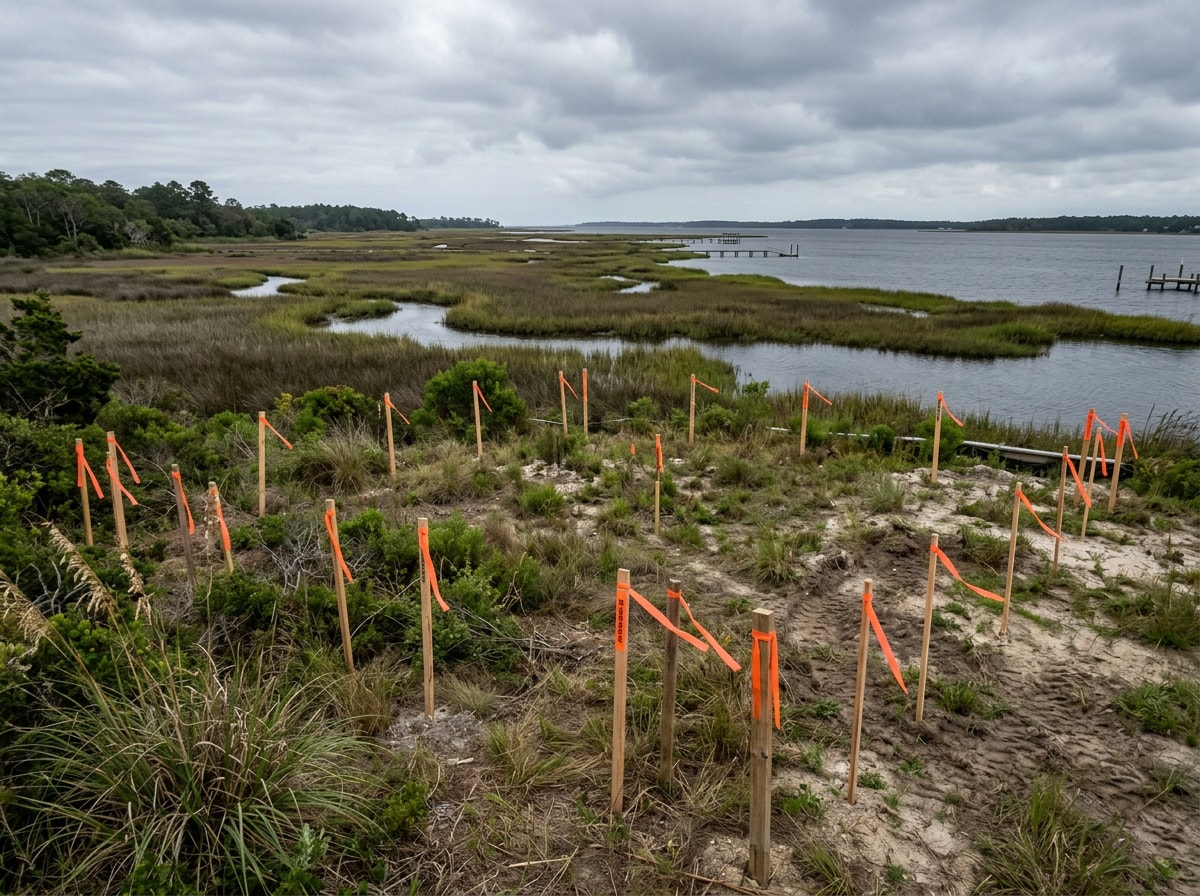
A container home site with good drainage, adequate setback from wetlands, and a buildable elevation outside flood-prone zones solves most problems before they start. That homework matters more here than in most of the state, since much of the South Shore coastline carries mapped flood risk.
Steps to Building a Container Home in Massachusetts
Building a container home in Massachusetts generally follows the same order as any custom home, with a few extra checkpoints for container-specific engineering review. A realistic sequence looks like this:
- Research local zoning and confirm container homes are allowed on your target parcel.
- Secure land with adequate elevation, drainage, and setback.
- Finalize a floor plan and structural engineering review.
- Select a container home builder with documented local experience.
- Submit for building permits, including stamped structural plans.
- Break ground, set containers, and begin finish construction, starting with footings similar to the engineered foundation work covered in our concrete contracting guide for Cohasset.
Permitting is usually the slowest step, since reviewers unfamiliar with container construction sometimes request additional structural documentation. Massachusetts building officials approve non-standard methods like container construction under the same alternative-materials provision used for other unconventional builds. The International Code Council's alternative materials and methods provision outlines exactly what a building official needs to see to approve a non-standard structure like a container home.
Container Home Financing in Massachusetts
Many traditional mortgage lenders are still unfamiliar with container homes and may decline to finance one through a standard residential mortgage product. Container home financing in Massachusetts more often runs through construction loans, personal loans, or lenders accustomed to unconventional or rural builds.
Farm Credit East, operating in Massachusetts as Country Living Loans, is a regional lender known for working with rural and alternative-construction borrowers, including some container home projects that traditional banks turn down. They typically ask for detailed construction plans, a cost breakdown, contractor credentials, and proof of land ownership before approving a construction loan.
Documentation tends to be more thorough than a conventional mortgage application, since the lender is underwriting a non-standard structure. Shop around early. A lender comfortable with financing a shipping container house can save months of delay later in the process. If you need help assembling the construction documentation a lender will ask for, contact our team before you apply.
Container Home Floor Plans in Massachusetts
Floor plans matter earlier in a container build than in traditional construction, because container count, stacking configuration, and orientation all get locked in before engineering can proceed. A single-container layout works for a compact guest house, while most full-time residences combine two to four containers for workable square footage and room flow.
Orientation also affects energy performance through a New England winter. Placing glazing to capture southern light while limiting exposure on the windward side reduces heating costs. For insulation and air-sealing benchmarks appropriate to cold-climate construction, ENERGY STAR's home sealing and insulation guidance is worth reviewing with your designer before finalizing a layout.
Buyers can choose between pre-designed plan sets or a fully custom container home design built around their specific lot. Either way, the container count and orientation decisions happen before permitting, not after.
Container Home Insurance in Massachusetts
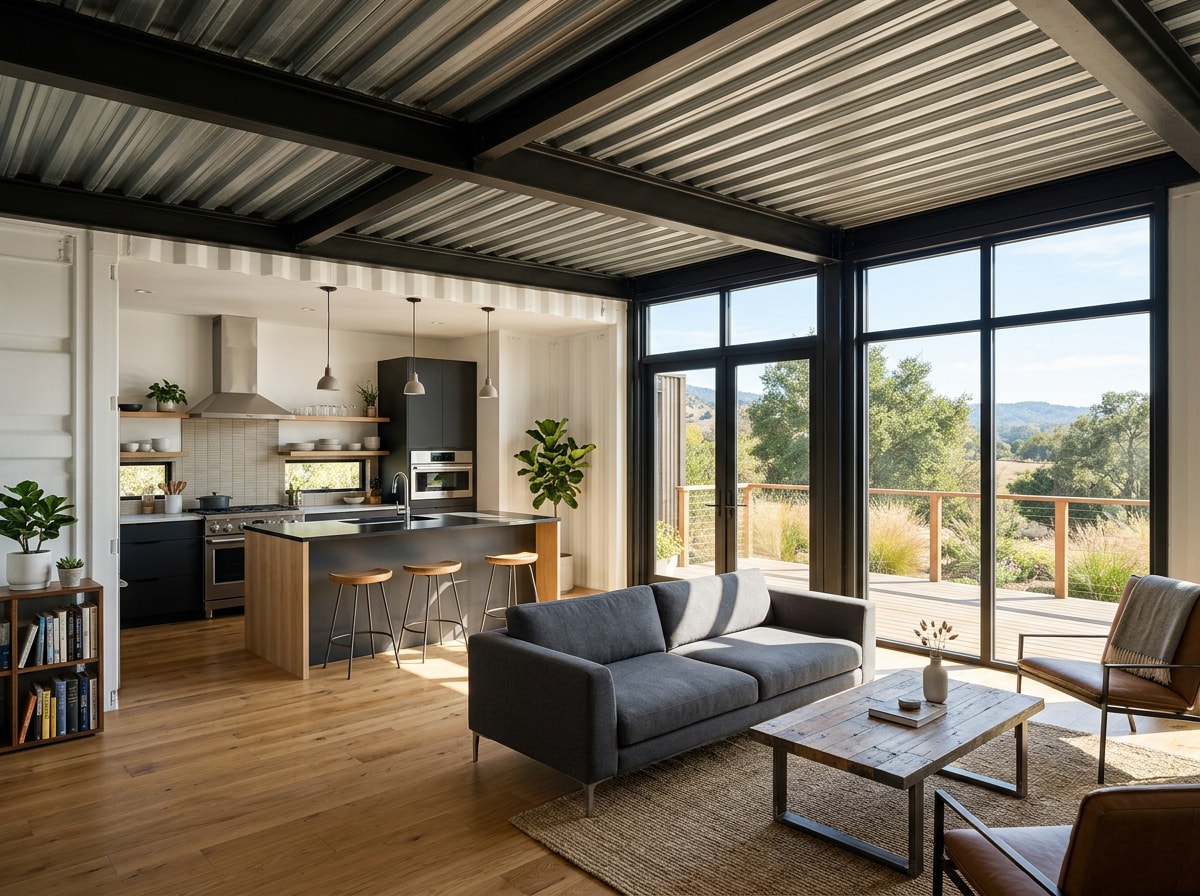
Standard homeowners' insurers are often unfamiliar with container construction and may decline coverage outright, pushing buyers toward specialty insurers or companies that already cover manufactured and modular homes. Getting quotes early, before committing to a lot, avoids surprises at closing.
Cohasset's coastal location adds a layer most inland Massachusetts guides skip entirely: flood-zone exposure. Many South Shore properties sit within or near mapped flood zones, which can trigger mandatory flood insurance regardless of the home's construction type. Check FEMA's Flood Map Service Center for your specific parcel before budgeting, since flood coverage and elevation requirements can meaningfully change your total project cost.
Property tax treatment for container homes generally mirrors conventional homes once the structure is permitted and assessed.
FAQ
Here are quick answers to the questions buyers ask most often before hiring a shipping container home builder in Cohasset, MA.
Are Shipping Container Homes Legal in Massachusetts?
Shipping container homes are legal throughout Massachusetts, but every project still needs approval from the local building and zoning department. Cohasset evaluates container homes under standard residential building codes, and some neighborhoods may add extra conditions. Always confirm directly with the Cohasset building department before purchasing land or signing a construction contract, since local interpretation varies.
Do You Need a Permit for a Shipping Container Home in Massachusetts?
Yes. Any habitable container structure in Massachusetts requires a full building permit, including stamped structural plans from a licensed engineer. Permit requirements mirror those for conventional construction, covering electrical, plumbing, insulation, and structural review under the Massachusetts building code. Occupancy won't be granted without final sign-off from the local building department.
How Much Does a Shipping Container Home Cost in Massachusetts?
Most finished container homes in Massachusetts cost $150 to $250 per square foot, depending on container count, insulation, and finish level. High-end custom builds with multiple containers or large glass openings can push past $275 to $400 per square foot. These are industry-wide estimates rather than fixed prices, so get a site-specific quote before budgeting.
How Long Does It Take to Construct a Shipping Container Home?
Most custom container homes in Massachusetts take six to twelve months from permit approval to move-in, with actual container assembly often completed in just a few weeks. The timeline is usually dictated by permitting delays and finish-work scheduling rather than the structural build itself. Ready for a realistic timeline on your lot? Start your project with our team today.
Are Shipping Container Homes Safe From Storms and Flooding on the South Shore?
A properly engineered steel container home can perform well in high coastal winds when anchored and modified by someone with structural experience. The bigger risk on the South Shore is flood exposure, not wind, which is why elevation and setback from wetlands matter more in Cohasset than in most of the state. Confirming your lot's flood zone status before you build is the single best way to avoid an expensive surprise later.